The tourism industry in Zambia is an important sector of the country`s economy, offering visitors a rich cultural heritage, diverse wildlife, stunning natural landscape, and a wide range of adventure activities. Tourism is vital to Zambia in that it significantly contributes to the country`s gross domestic product (GDP) by generating revenue through accomodation, transportation, food services, and other related sectors. It also creates jobs and stimulates local economies. The tourism industry provides direct or indirect employment opportunities for many Zambians, from tour guides and hotel staff to artisans and transport operators. Tourism promotes cultural exchange and understanding, visitors learn about Zambia`s rich cultural heritage, traditions, and way of life, fostering mutual respect and appreciation.
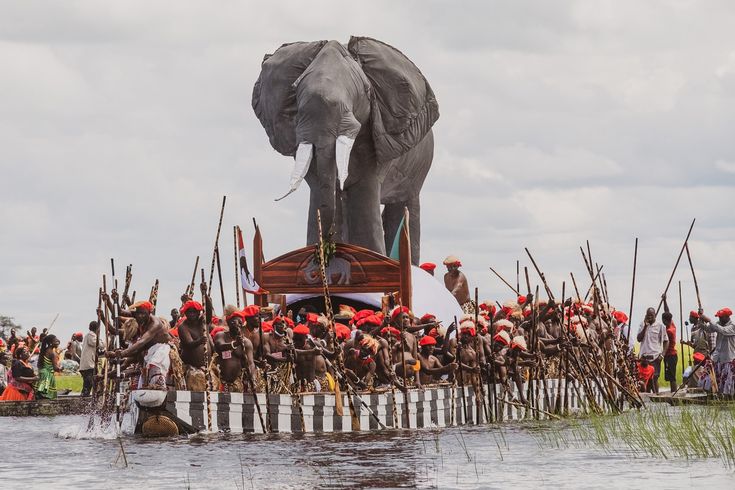
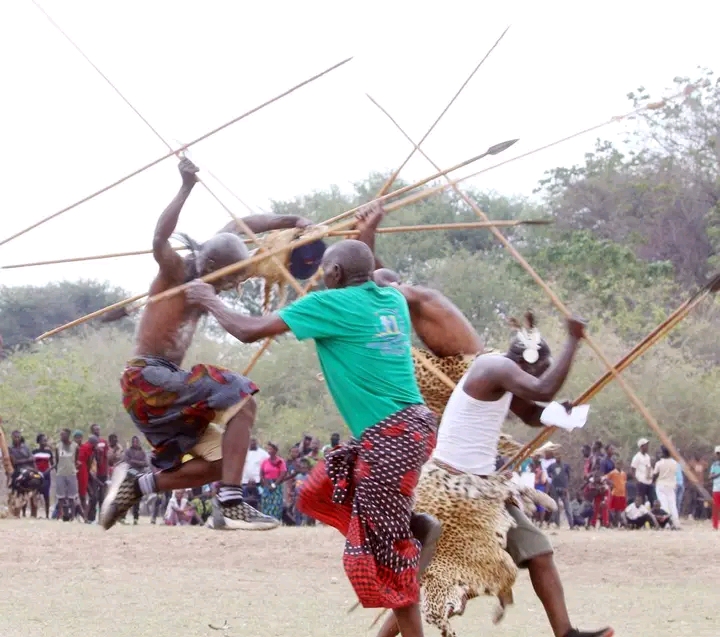
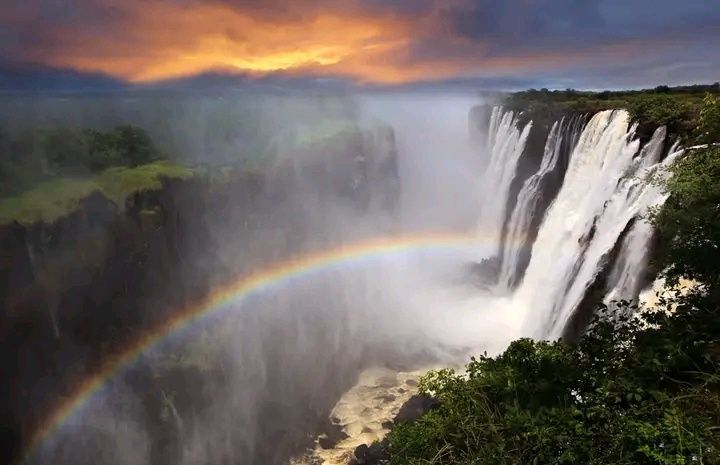
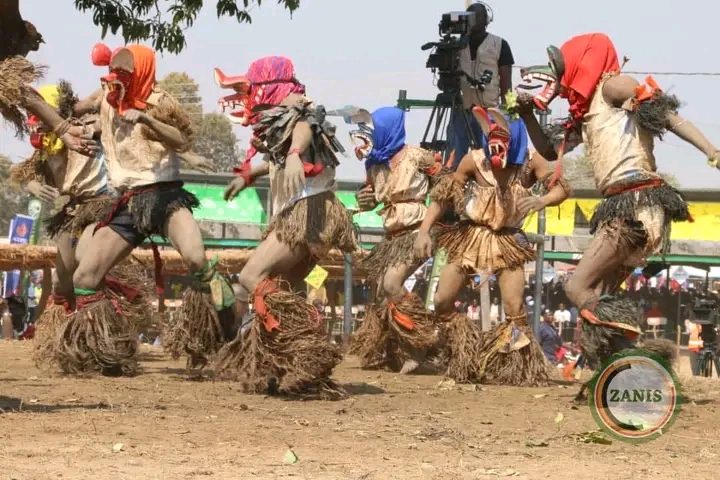
Zambia is a nation steeped in natural beauty and rich cultural traditions. known primarily for the majestic Victoria Falls, often referred to as "The Smoke that Thunders," Zambia offers more than just iconic landmarks, from its vast savannahs teeming with wildlife to vibrant local communities, the country is a treasure trove of authentic African experiences. It has a rich cultural heritage, with over 70 ethnic groups each contributing their unique traditions, languages, and customs. It host several colourful cultural festivals throughout the year, showcasing traditional music, dance, and rituals. The Kuomboka Ceremony of the Lozi people, held annually when the Barotse floodplain floods, is a major cultral highlight. The Lwiindi Ceremony of the Tonga people and the Ncwala Ceremony of the Ngoni people are other notable events that celebrate Zambian culture.
CHALLENGES
- Travel marketing
- Infrastructure deficits
- Security and cross border regulation
- Climate change
POTENTIALS
- Ecotourism: Zambia`s diverse wildlife, national parks, and game management areas offer opportunities for ecotourism, which can generate income and create jobs for local communities.
- Cultural tourism: The country`s rich in cultural heritage, including traditional ceremonies like Kuomboka ceremony, can attract tourists interested in experiencing local customs and traditions.
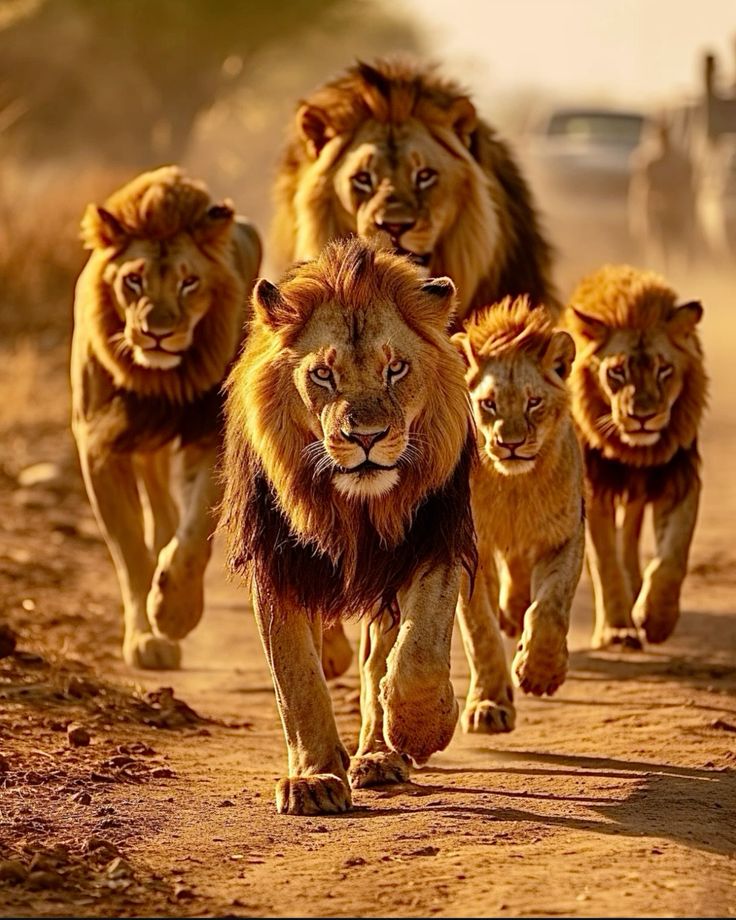
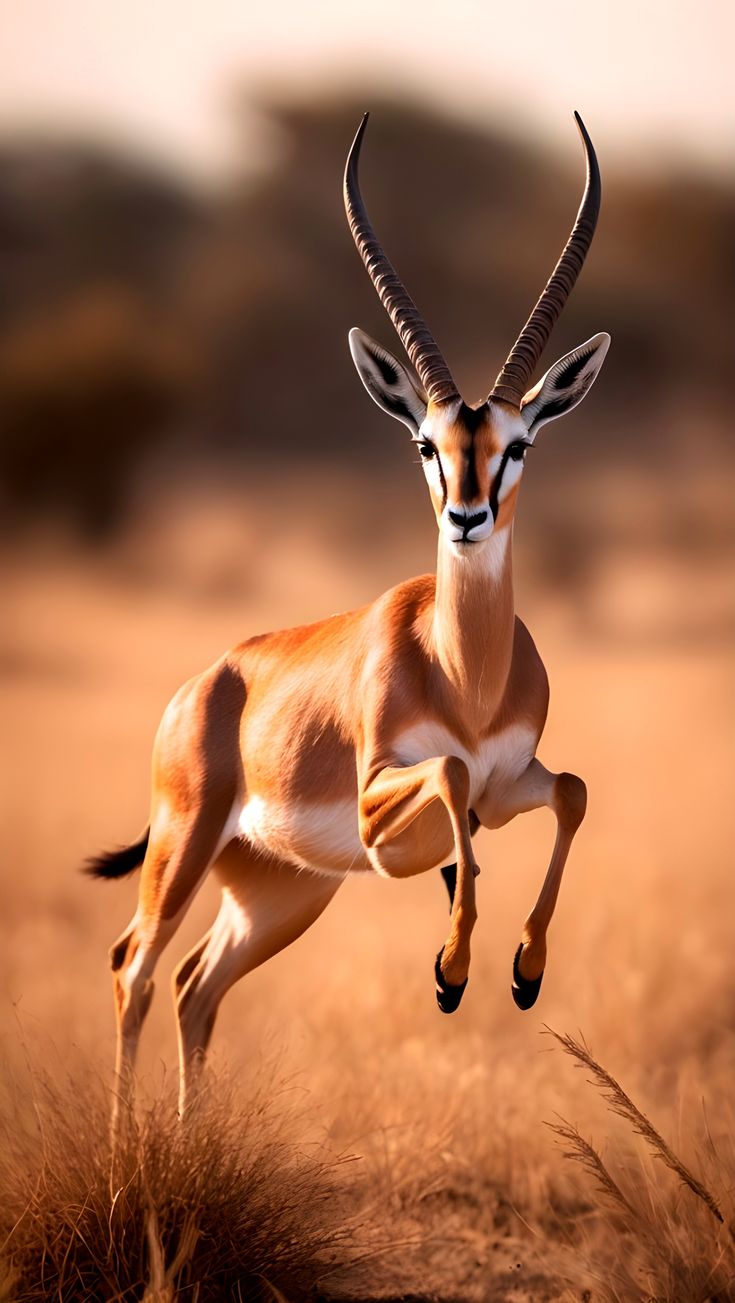
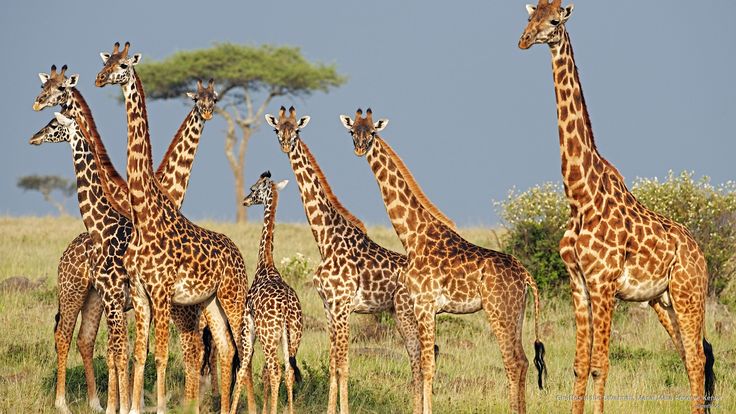
- Wildlife tourism: The country`s abundant wildlife, including iconic species like lions, elephants, and giraffes, can attract tourists interested in wildlife viewing and safaris.
- Community-based tourism: Zambia`s community-based tourism initiatives can provide economic benefits to local communities and promote sustainable tourism practices.



.jpg)